Texas right of way laws determine when drivers must yield at intersections, stop signs, and turning points. If you sustained injuries in a crash in the state, identifying which driver had to yield can shape the resulting injury claim.
Road markings, vehicle positions, and the timing of each movement help establish whether a driver violated a traffic rule. A car accident attorney from Felix Gonzalez Law can evaluate this evidence to determine liability and build a claim for compensation.
How Do Right of Way Laws Apply at Intersections?
Under Texas Transportation Code § 545.151, drivers must follow intersection controls and yield to vehicles approaching from the right when required. These right of way obligations also extend to turning movements.
More specifically, Tex. Transp. Code § 545.152 directs drivers making left turns to yield when approaching traffic is already crossing the intersection or presents an immediate hazard.
Stop Sign Right of Way and Driver Responsibilities
Stop sign right of way in Texas involves two distinct duties: stopping at the designated location and yielding before entering traffic. Under Tex. Transp. Code § 544.010, a driver must stop at the marked stop line or before the crosswalk when no line exists. Without either marking, the driver must stop near the intersection where approaching traffic is visible.
Tex. Transp. Code § 545.153 further requires drivers at stop signs to yield to traffic already in the intersection or approaching near enough to pose an immediate risk. Completing a stop does not automatically grant permission to proceed.
Evidence That Establishes Failure To Yield
A citation can support an investigation, but an injury claim requires evidence connecting the driver’s conduct to the collision and resulting harm. Attorneys may examine several records to reconstruct the sequence of events and determine how a driver broke any right of way laws in Texas:
- Intersection photographs showing signs, sightlines, and lane markings
- Dashcam or surveillance footage capturing vehicle movements
- Police reports documenting statements and roadway conditions
- Witness accounts describing arrivals and turning movements
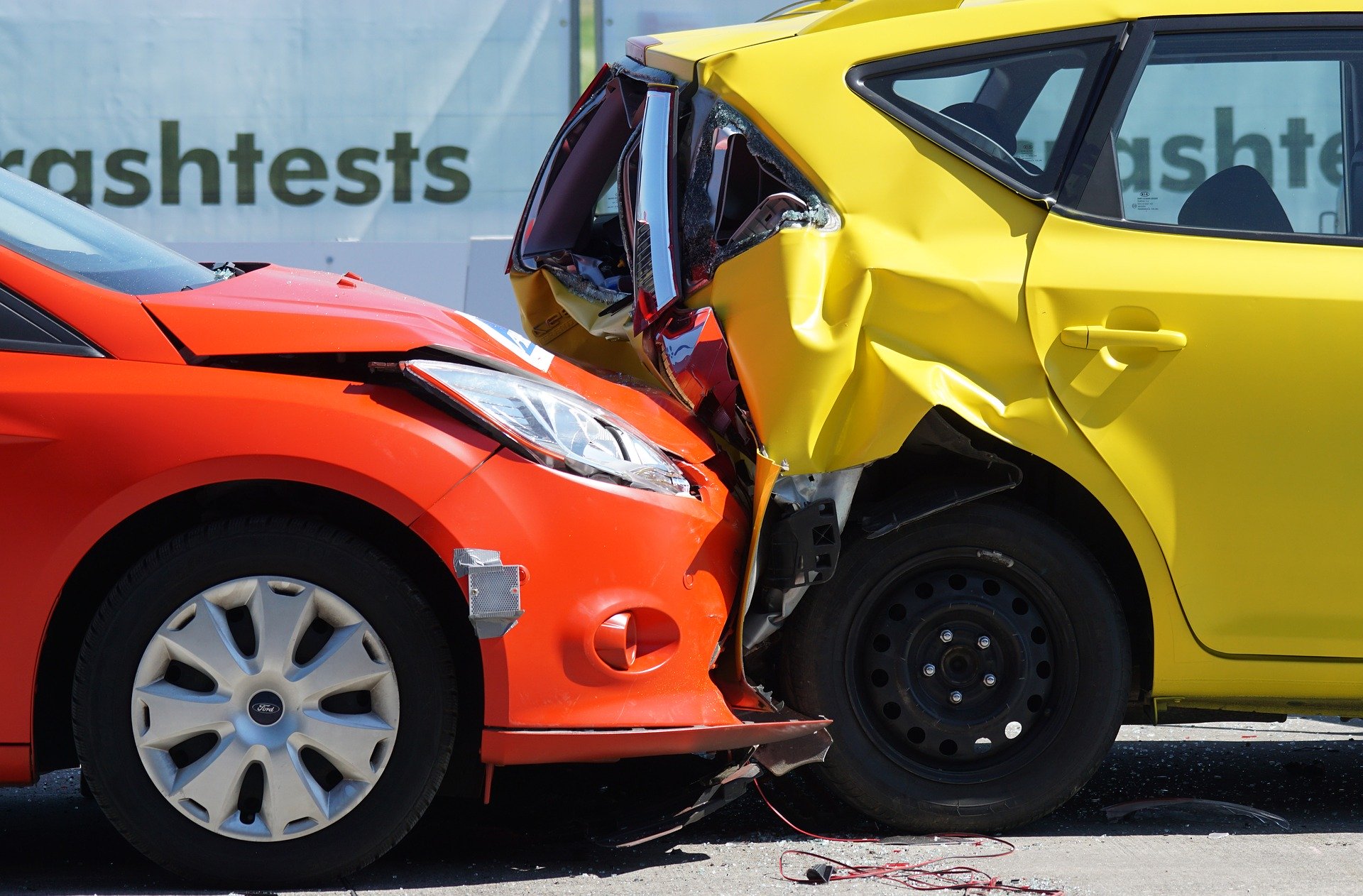
- Vehicle damage and debris patterns indicating impact positions
- Medical records connecting injuries to the collision
These materials help distinguish failure to yield from speeding or distracted driving, supporting accurate fault assessments. Once an attorney establishes liability, medical records help document injuries and related financial losses, including treatment costs and lost earnings.
Call Felix Gonzalez Law Today To Discuss Right of Way Laws in Texas
A traffic violation can indicate negligence, but liability depends on the circumstances. Under Texas right of way laws, evidence of vehicle movements helps establish fault and supports compensation claims.
If you suffered injuries in a right of way collision, the team at Felix Gonzalez Law can assess liability and explain your legal options. Contact the firm today to discuss your car accident claim.